Yoga for anxiety
Everything that matters about calming an anxious mind with yoga — and nothing that doesn't.
Anxiety isn't only in your head
It's a physical state, not just a thought. The body has already hit the alarm — which is exactly why you can't think your way calm.
Yoga calms you from the body up
Slow movement and a long breath switch on "rest & digest." Settle the body first, and the anxious mind follows.
And it genuinely works
Yoga is one of the better-studied ways to calm anxiety.
Not all yoga is the same
For anxiety, slower is stronger.
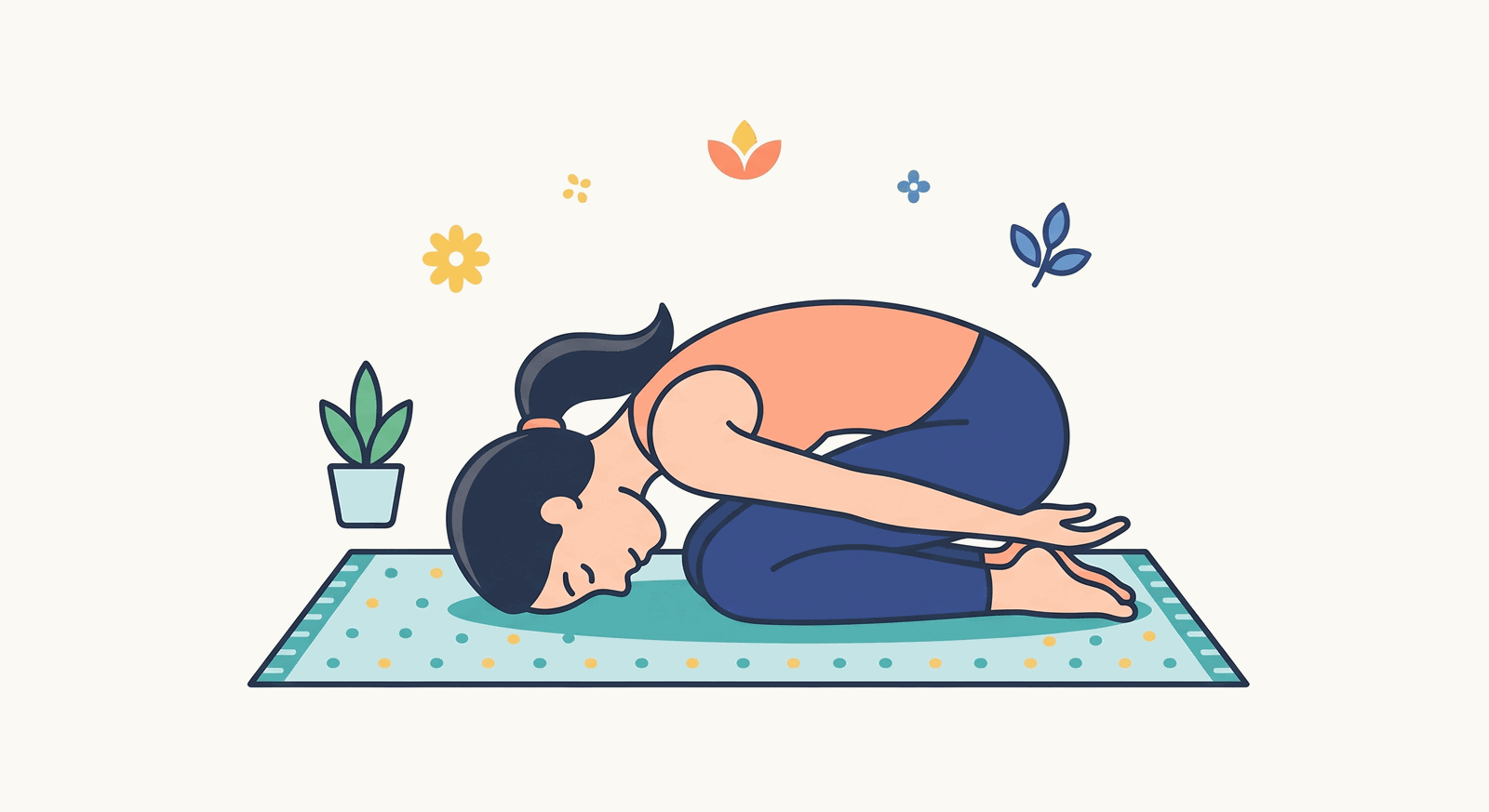
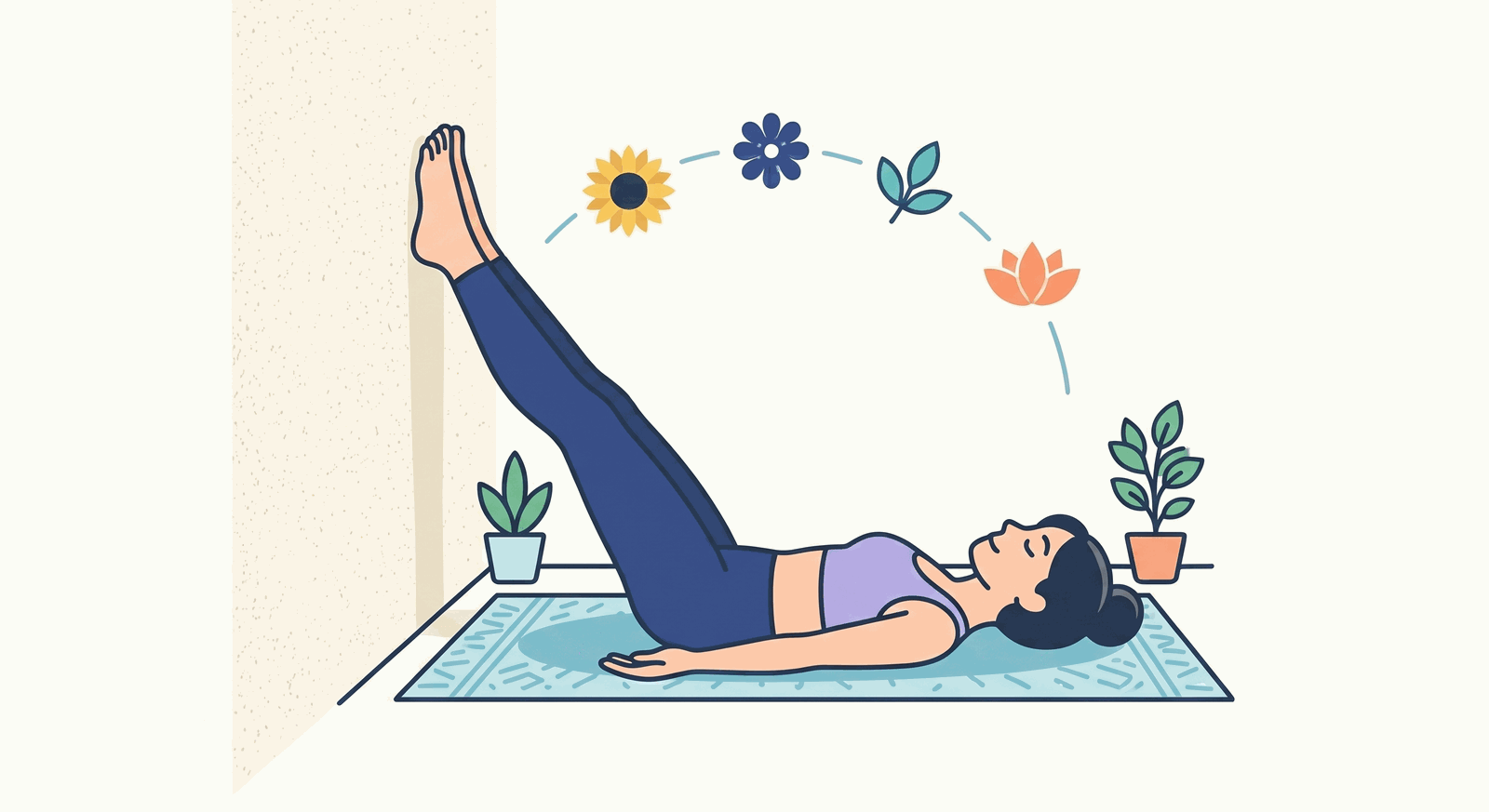
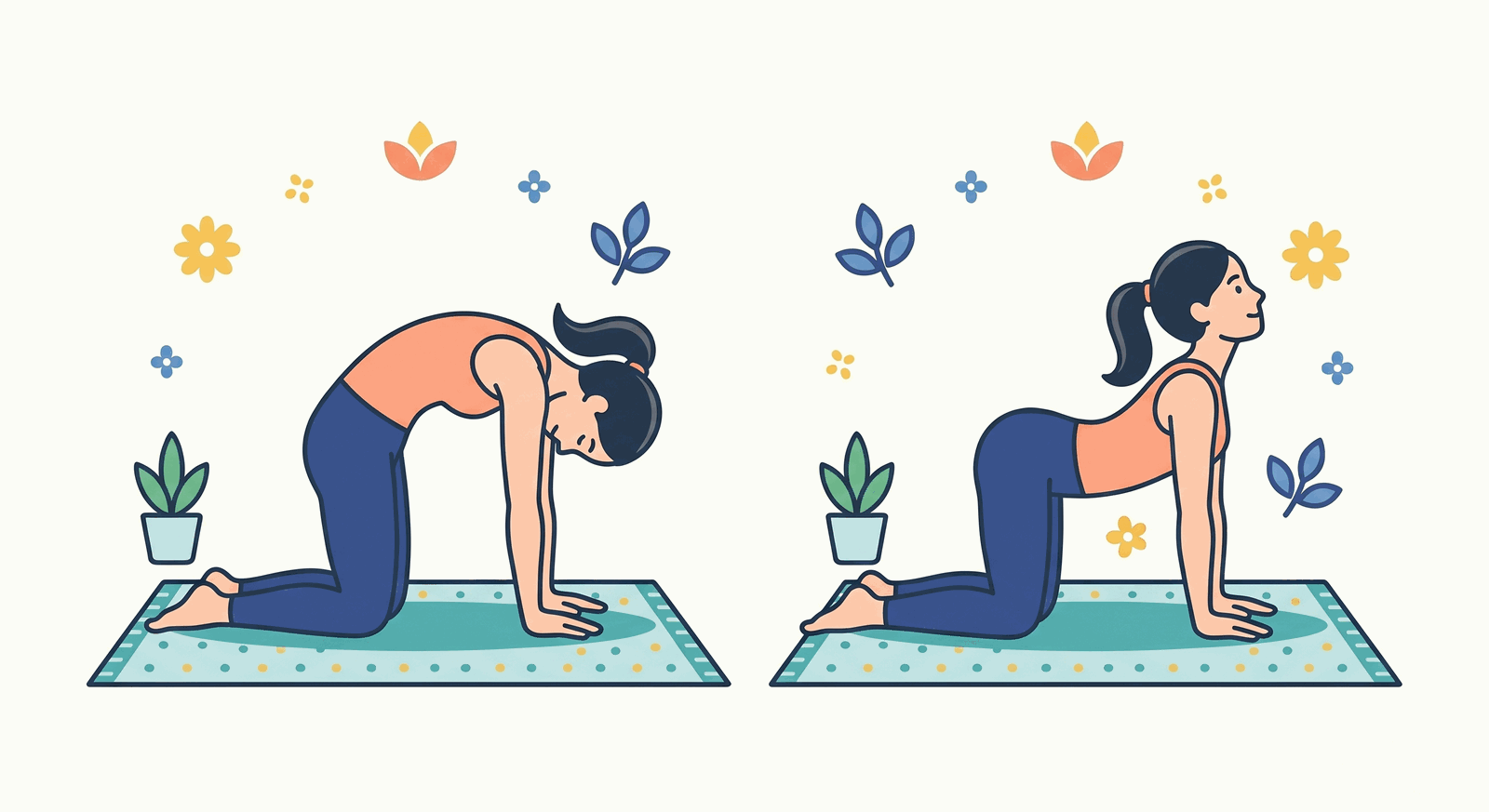
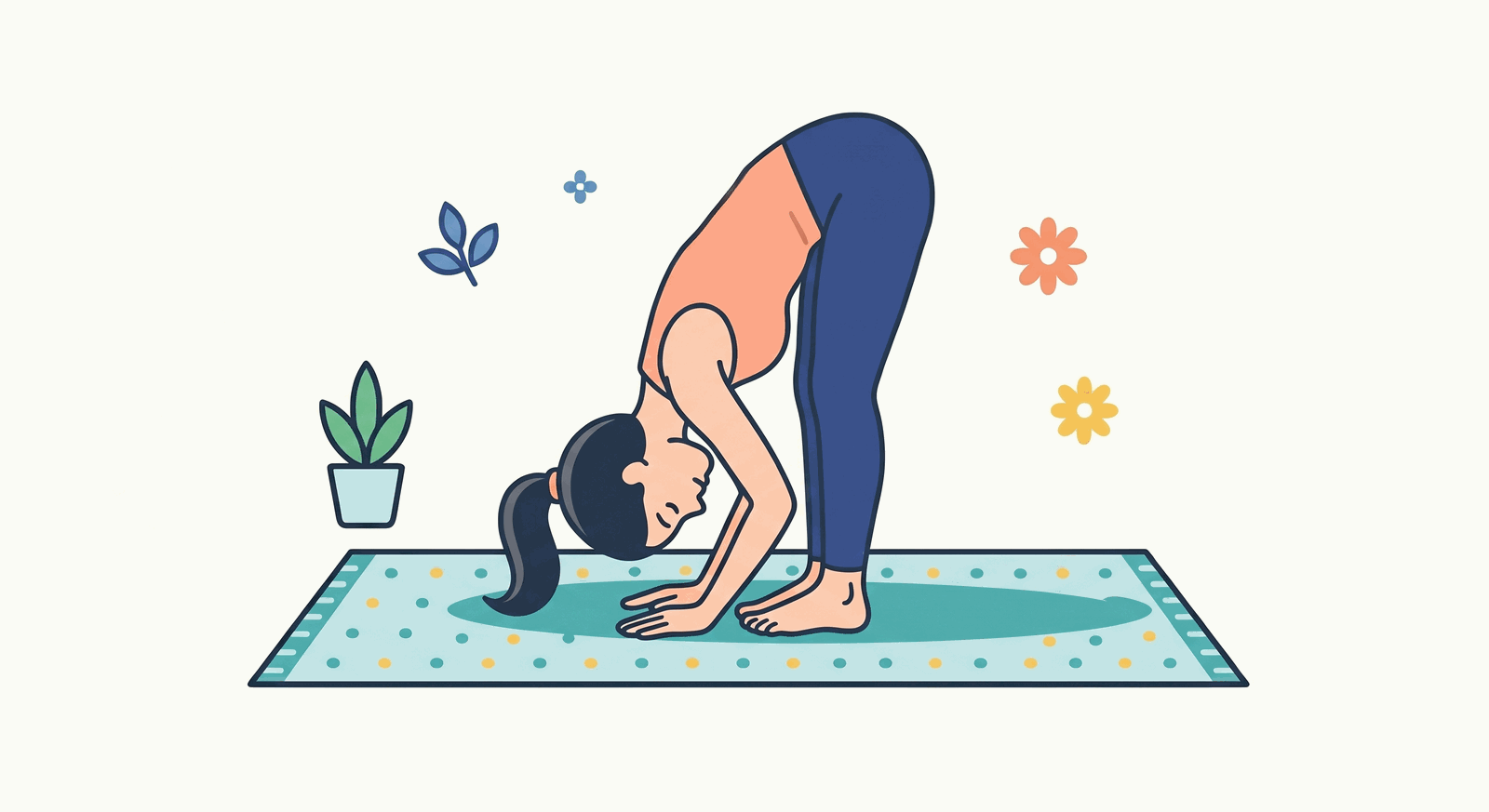
6 poses that calm fast
Hold each for a few slow breaths. No flexibility needed.
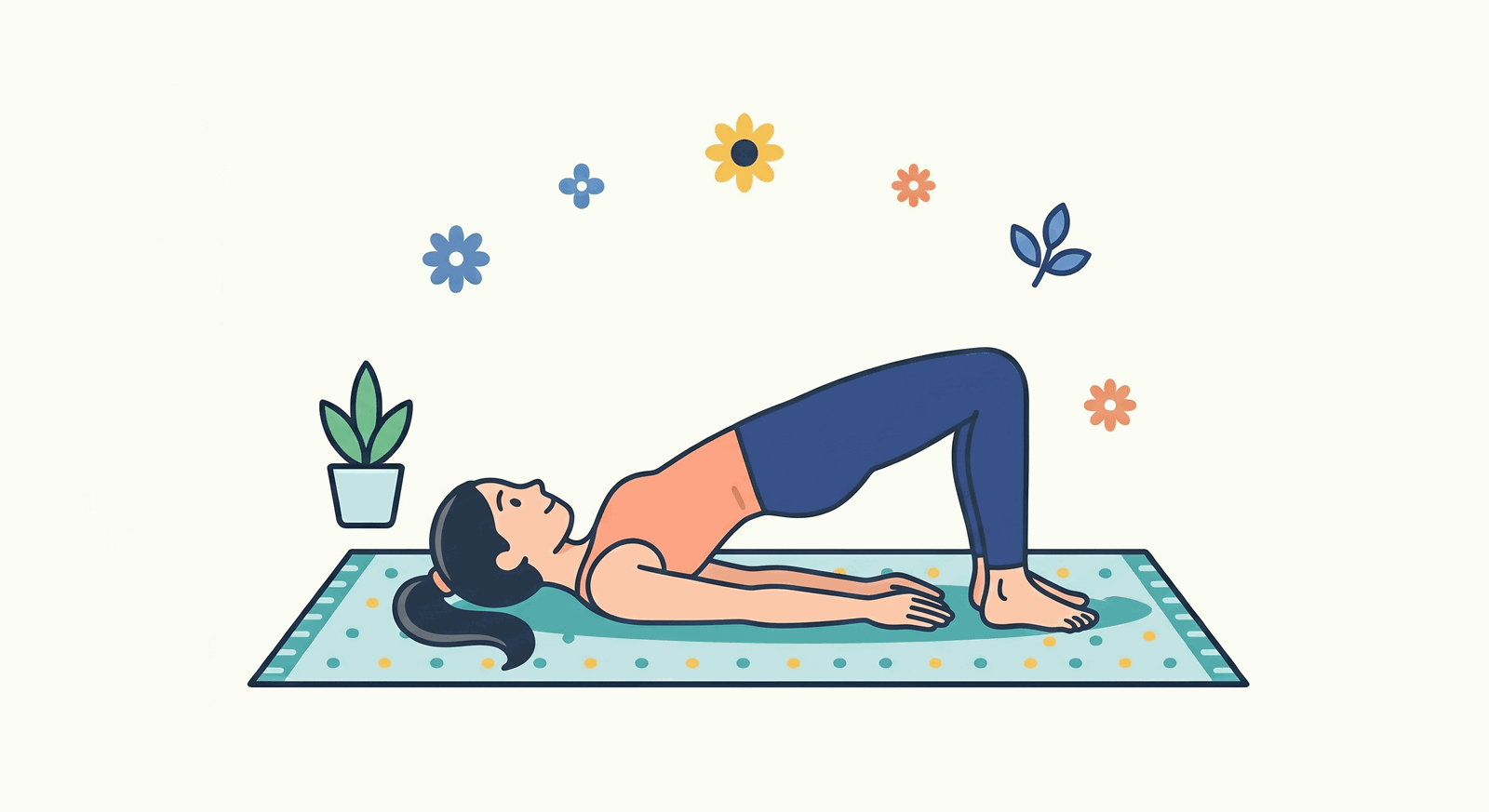
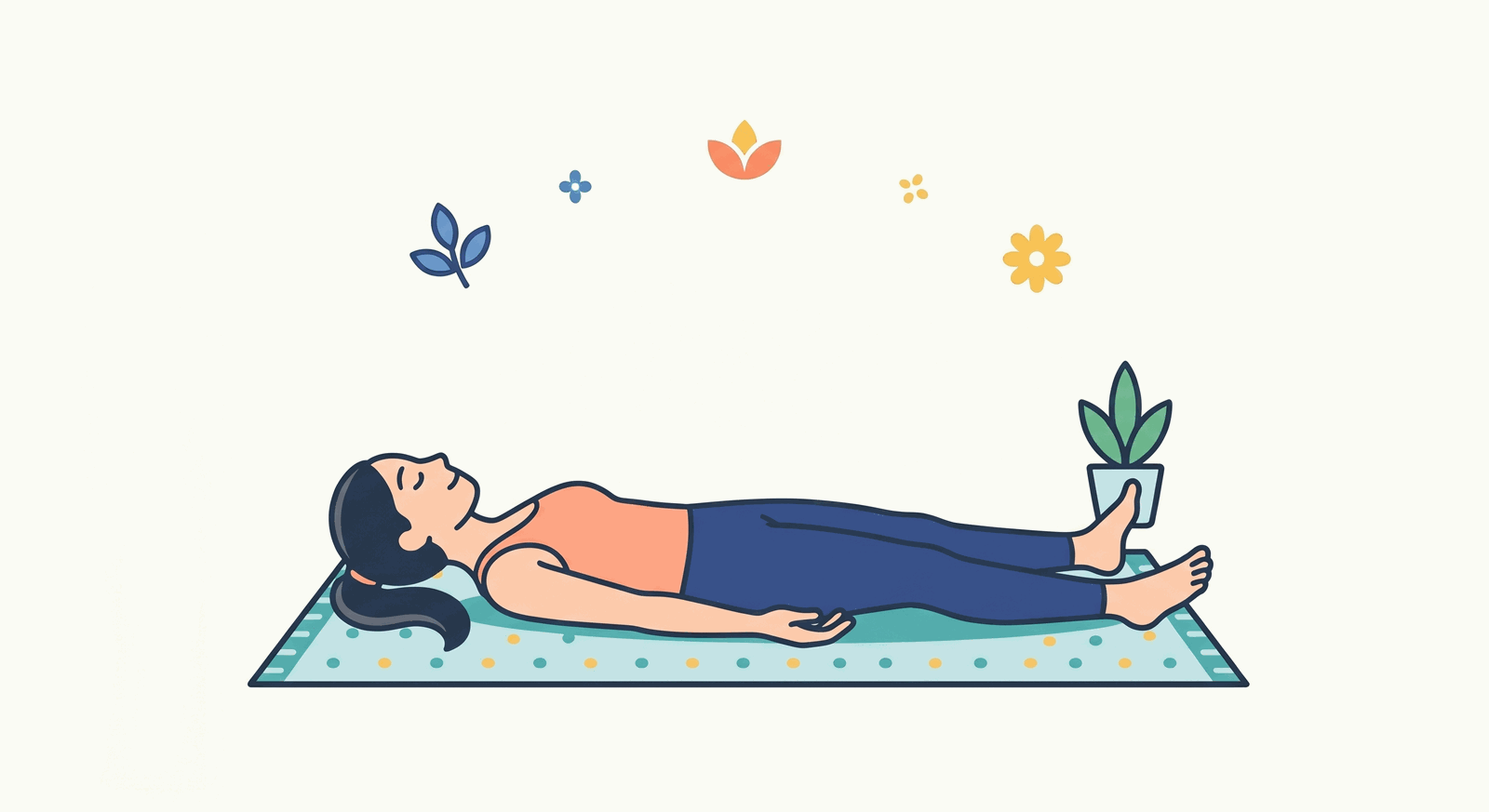
Let the exhale lead
Make the out-breath longer than the in-breath. That one change tells your nervous system the danger has passed.
Ayurveda: anxiety is a Vata storm
Vata is cold, light and restless — just like anxiety. The remedy is its opposite: warm, slow, grounded, and on a steady daily rhythm.
A 15-minute wind-down
No mat or class needed. Move slowly, let the exhale lead.
Remember just this
How you practise beats how hard. Calm the body — patiently — and the mind always agrees to follow.
For learning, not medical advice. Yoga is a strong everyday support — not a replacement for treatment. If anxiety is persistent or overwhelming, please speak with a doctor or qualified mental-health professional.
If you live with high blood pressure, heart issues, back, neck, knee or wrist problems, glaucoma, recent surgery, pregnancy or any chronic condition, please consult your doctor or a qualified yoga therapist before starting. Move slowly, modify or skip any pose that brings pain, and never push through sharp discomfort.
Want the full story?
The in-depth article covers the research, the styles and every pose in detail — with all sources linked.
Read the deep-dive →